
Original timber floors, professionally restored
Timber Floor Restoration in Melbourne
Board repairs, gap filling and staged sanding for timber floors that have worn, moved or been covered over the years. The scope is set after a close look at the boards, so the work matches the floor.
Restoration for Worn, Gapped and Damaged Floors
Restoration goes further than a standard sand and finish. Where boards have moved, split, been patched or built up layers of paint and coating, the floor needs repair and preparation before any finish goes on.
Hardwood and Baltic Pine floors across Bayside and the Mornington Peninsula are the focus. Each timber behaves differently under repair and sanding, so the plan starts with the boards, not a fixed package.
Once repairs and sanding are complete, the finish is chosen for the floor and the way it is used.
Common Problems
Common Problems We Restore
Gaps
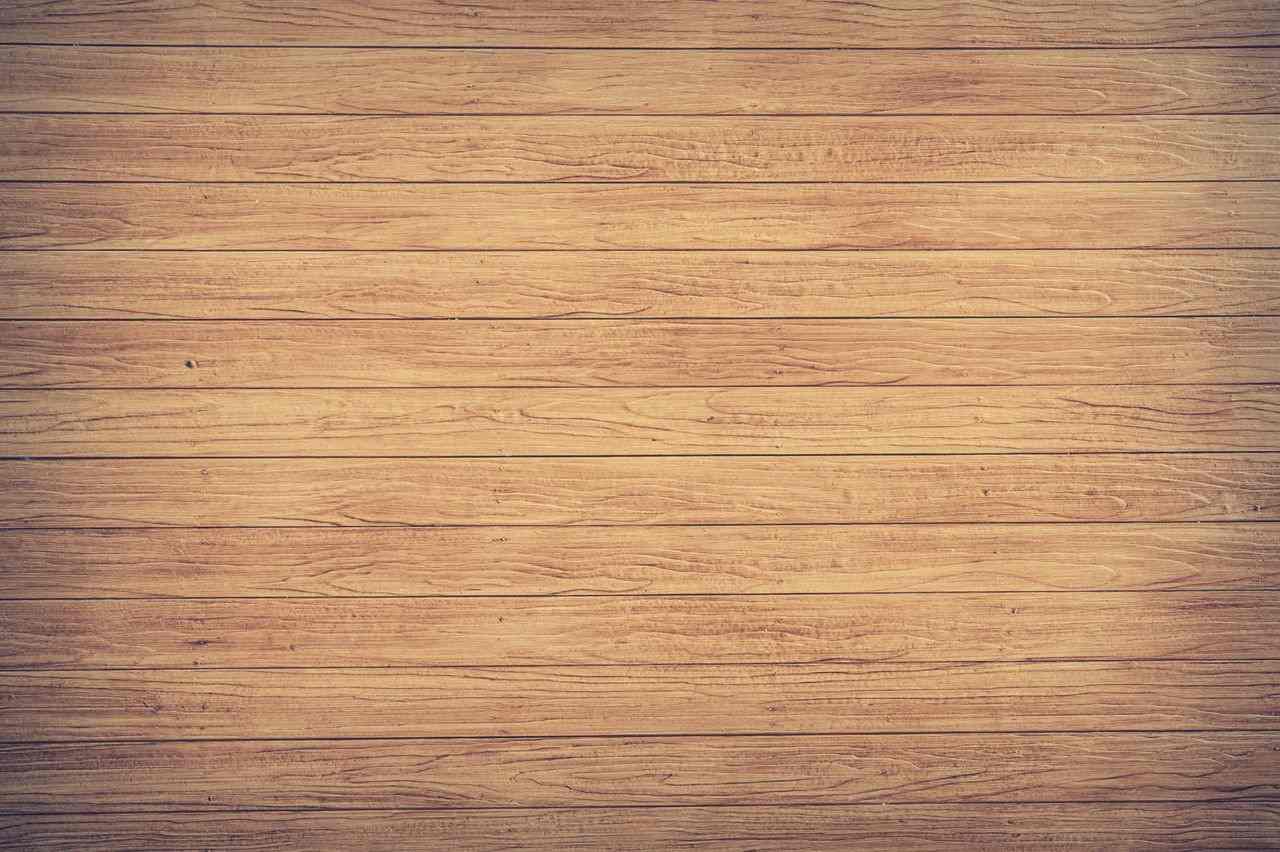
Gaps Between Boards
Timber swells and shrinks with the seasons, and over the years boards can open up. Gaps are filled to suit their width so the filler moves with the floor.
Damage
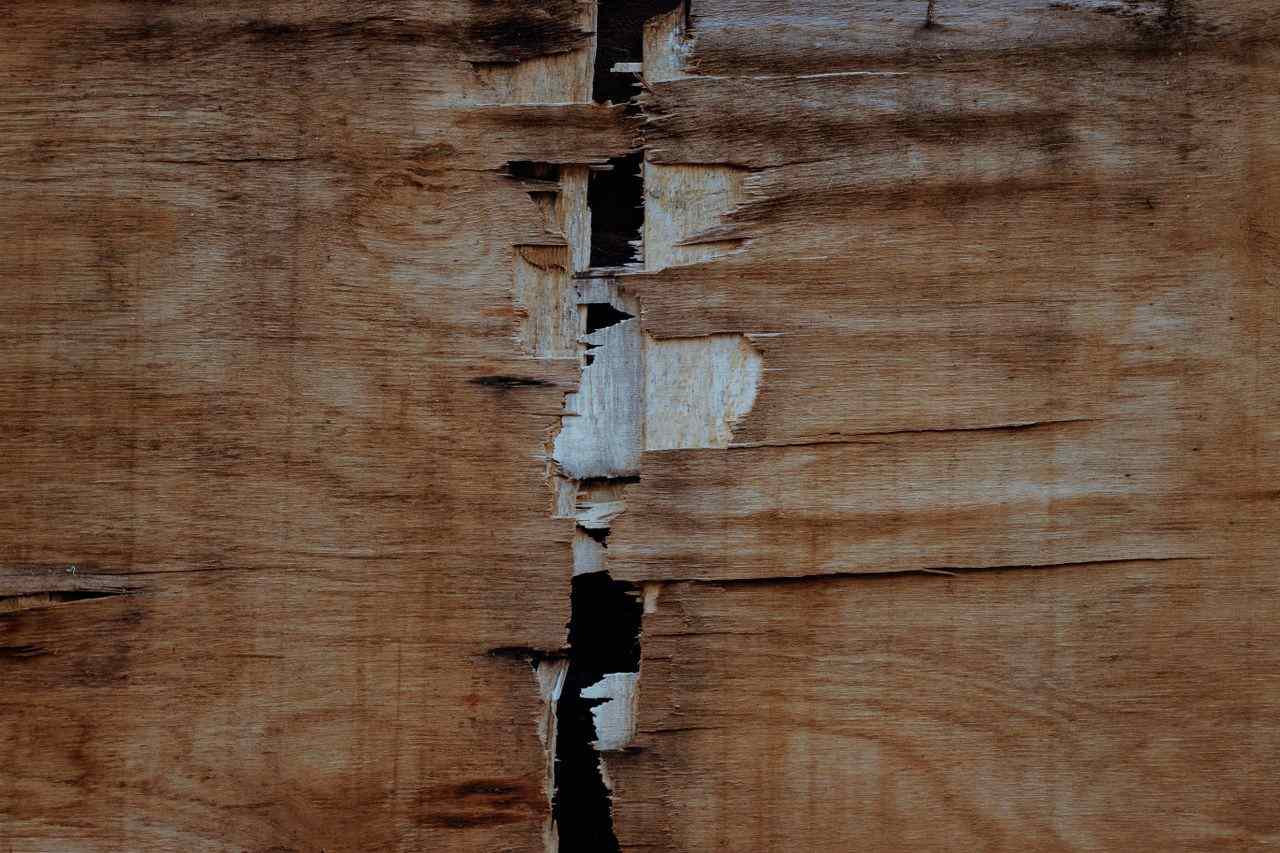
Split, Broken or Missing Boards
Localised damage is patched or replaced with matching timber. Larger areas may need boards lifted and relaid.
Marks
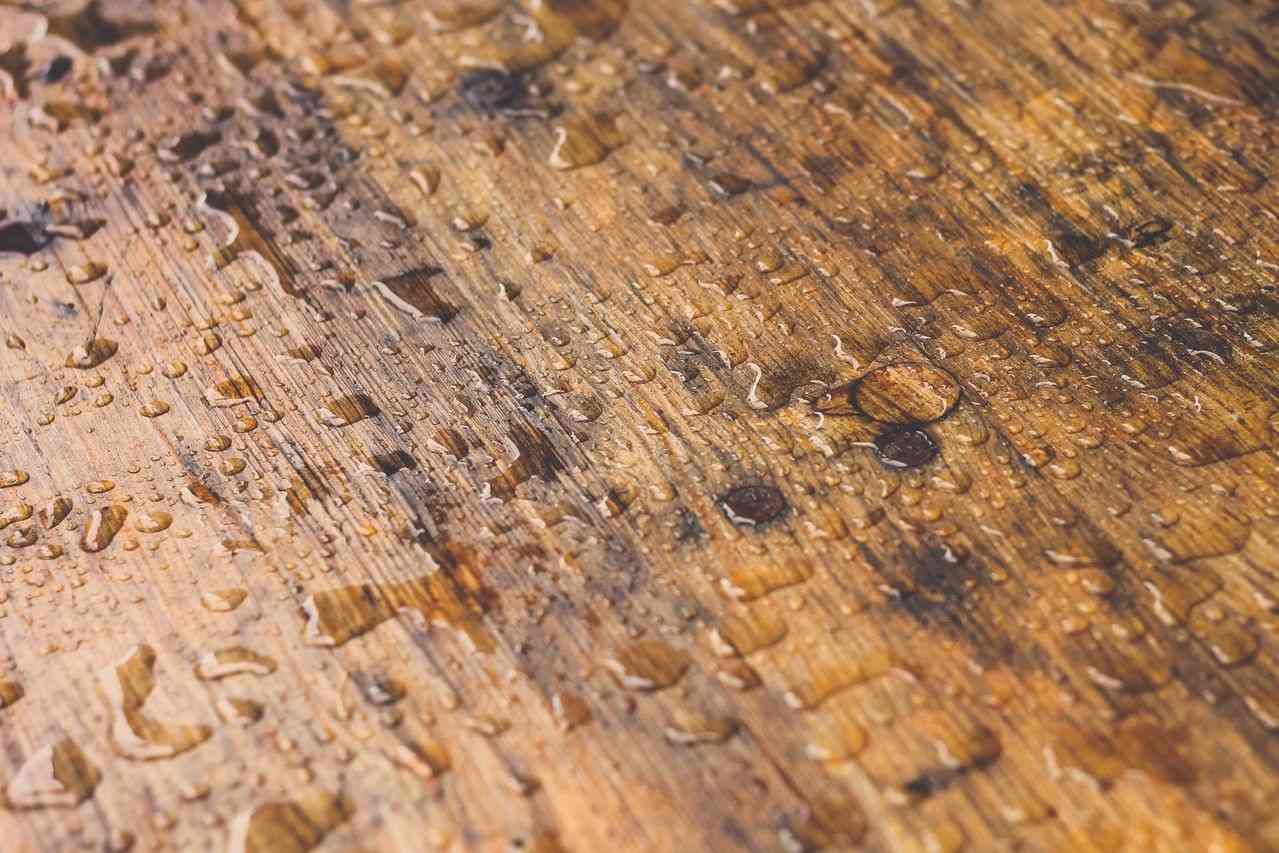
Stains and Marks
Scuffs, surface marks and water rings often sand out. Deeper stains are assessed first, so the expected result is clear before work begins.

Coatings
Built Up Coatings and Paint
Layers of old finish, paint splashes and adhesive are removed so the new finish bonds to clean timber.
Movement
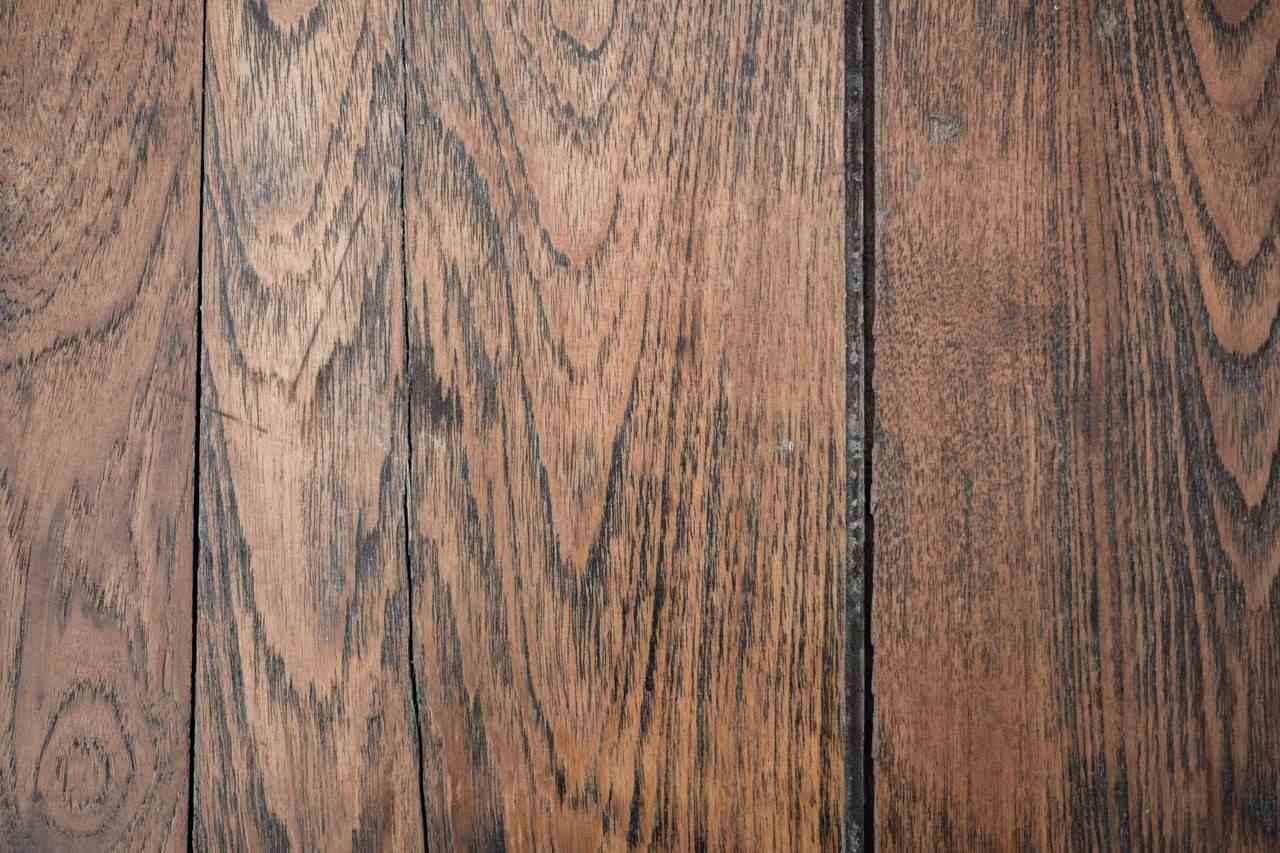
Cupped or Uneven Boards
Boards that have cupped or lifted are checked for the cause, then levelled during sanding where enough timber remains.
Coverings
Floors Under Carpet or Vinyl
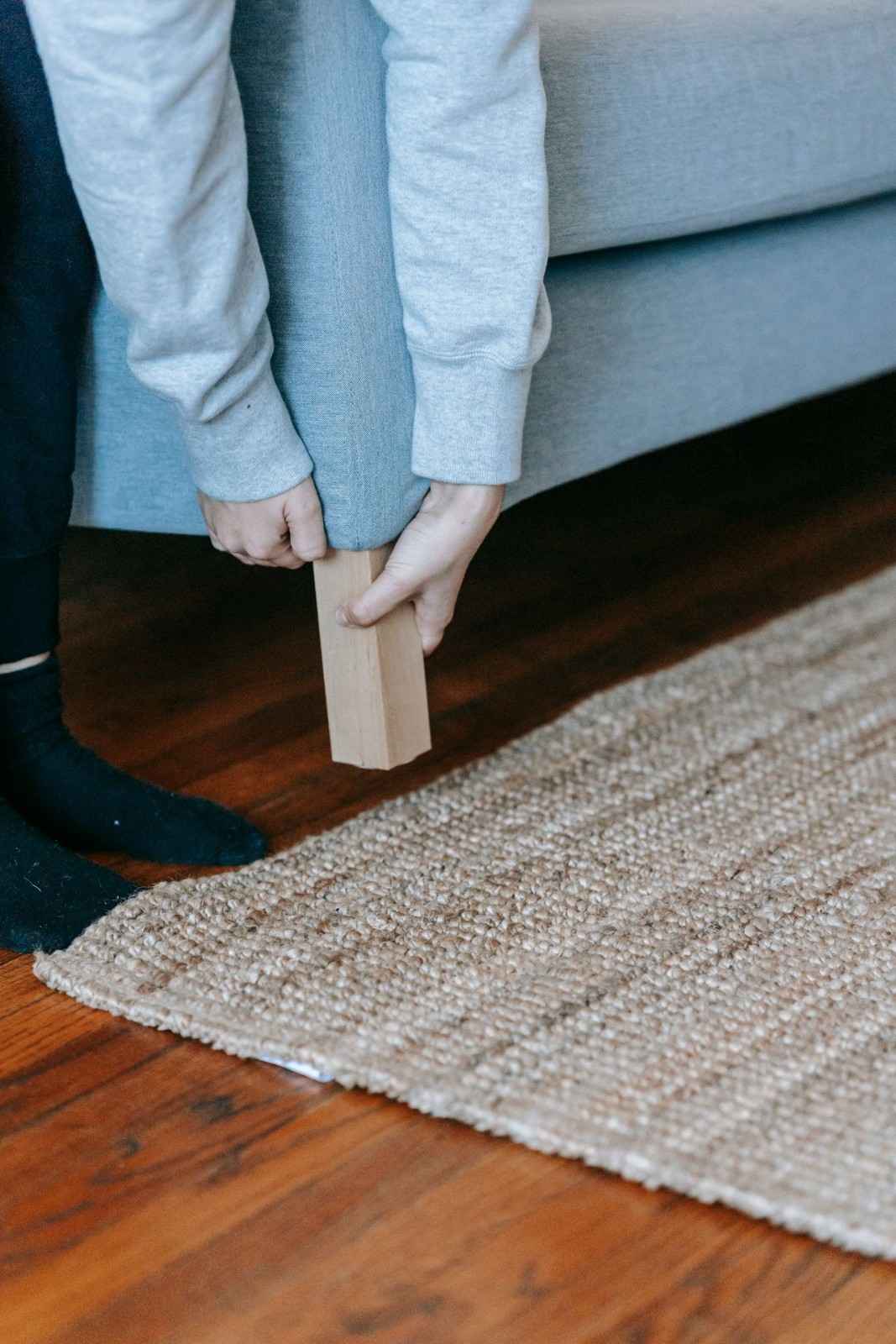
Boards that have been covered often carry tack strip holes, staples and glue. The condition underneath is assessed before the sanding scope is set.
Repair or Replace
Sound original boards are worth keeping. Replacement is reserved for boards that are unsafe or too far gone, and the approach depends on the damage.
| Condition of the boards | Usual approach | Worth knowing |
|---|---|---|
| Narrow gaps between boards | Filled with a mix matched to the timber | Some gaps close in wet weather and reopen in dry spells, so small movement is normal |
| Wide gaps | Timber strips glued in and sanded flush | Strips move with the floor and can be stained to match |
| Damage to a few boards | Damaged section patched, or boards replaced with matching timber | Tongue and groove boards lock together, so a repair is cut in rather than lifted out |
| Damage across a larger area | Boards lifted and relaid, with new boards added where needed | Brittle timber can break when lifted, so the timber is tested before any boards are lifted |
| Uneven or settled floor | Left as it is where the boards are sound | Some unevenness is part of how a floor has aged |
Baltic Pine and Hardwood Floors
Baltic Pine is a softwood. Tongue and groove floors in softwoods such as Baltic, Oregon and Kauri pine were widely used in Australian homes, and they cut quickly under a sander, so control matters to avoid removing more timber than the floor needs.
Hardwoods such as blackbutt and spotted gum are denser. They take longer to cut and call for a full grit sequence, so scratch marks do not carry through to the finish.
The grit sequence and the amount of timber removed are set for each floor at the assessment.
Process
How a Restoration Is Staged
1
Survey
The boards, gaps, damage, previous coatings and any floor coverings are recorded, with photos.
2
Repairs
Damaged boards are patched or replaced, loose boards are secured and protruding nails are set below the surface.
3
Filling
Gaps are filled to suit their width.
4
Staged sanding
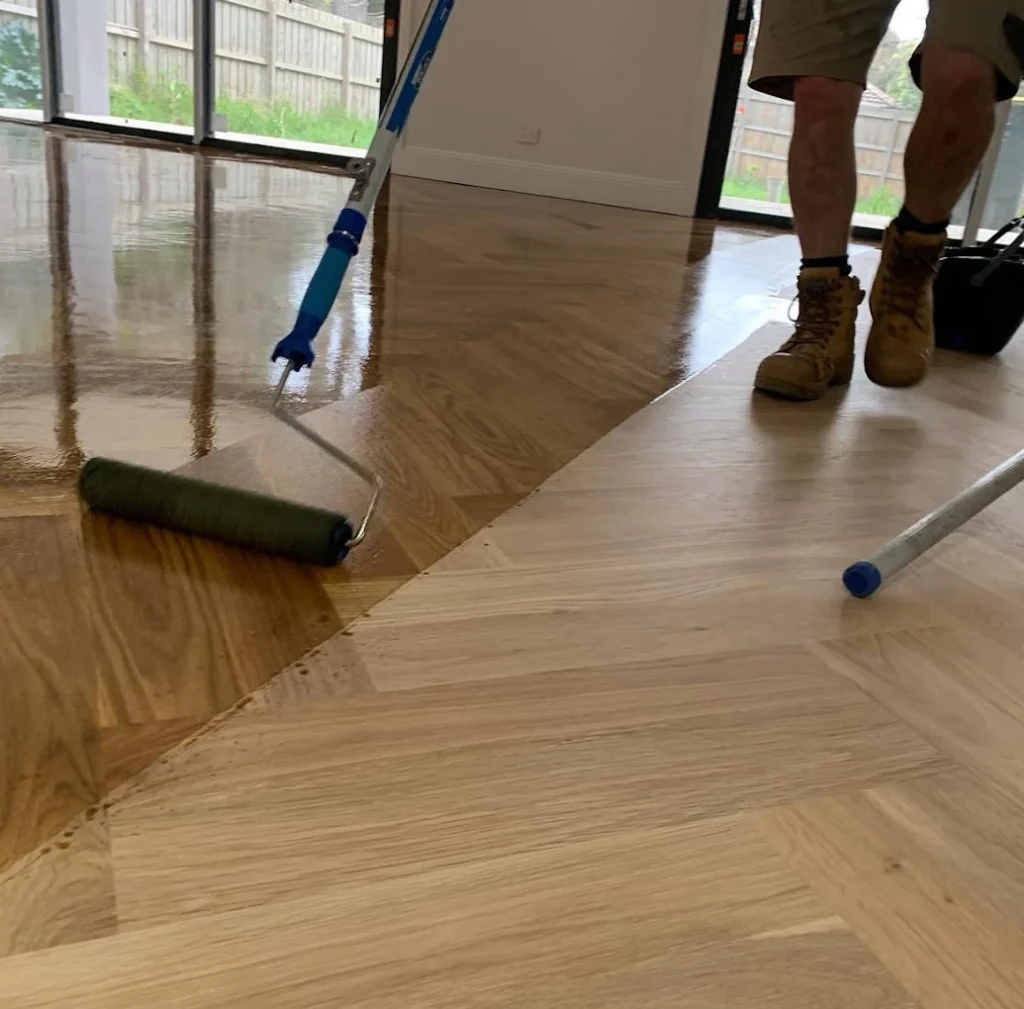
Coarse grits level the floor and remove old coatings, then finer grits refine the surface for the finish.
5
Handover
The restored floor is reviewed with you and care advice is explained.
Old Paint Layers and Lead Safety
Lead was used in many Australian paints before 1970, so painted boards, skirtings and other woodwork can carry layers that contain it. Sanding disturbs that paint and creates fine dust, which is the main concern.
Previous paint on or around the floor is raised at the assessment. Where lead is suspected, testing is the sensible first step before sanding goes ahead, and wet cleaning is the recommended way to handle dust on floors and ledges. fine dust
What Restoration Can Realistically Achieve
Restoration returns a floor to sound, even condition. It does not make old timber look new. New boards darken with age, so a patch can sit differently against the floor around it at first. Gaps that come from seasonal movement can reopen in dry spells, and boards that have been sanded many times may not have enough timber left for another full sand. The assessment sets out which of these apply before work starts. sound and only the finish is tired
Scope and Quoting
Restoration is quoted on the extent of the repair work first, then the sanding area and finish. The number and size of damaged areas, the length and width of gaps, layers of old coating or paint and any floor coverings to be dealt with all shape the scope, so photos of the worst areas help. The written quote sets out the repair scope as well as the sanding and finish.
Restoration Projects
Before
Layout / Prep
Sanding
Finish
After
Reviews
What Melbourne homeowners say after they see the floor in daylight.
Trustindex verifies that the original source of the review is Google. We were recommended by a friend to use James from Melbourne Floor Sanding and the entire process has been excellent. He is very easy to work with, came back quickly when contacted, all options were explained and we now love the look of our flooring. I rarely leave reviews but just had to after using this service.Posted onTrustindex verifies that the original source of the review is Google. I felt confident with James and his team from the start as they had been recommended. I was not disappointed. They did a BRILLIANT job. Its like I have a new house. They identified boards that might not come up well and simply replaced them, matching my existing 60's boards. They also effortlessly replaced my old skirts which I upgraded to a new, more stylish board. Clearly, I highly recommend them. They are "old fashioned" tradies who take care and pride in their work.Posted onTrustindex verifies that the original source of the review is Google. Thanks James for suburb work on recent MtEliza project. You held the date we originally locked in and working on site with your guys was a pleasure. And we were a little under what we thought the final cost would be. Win.Posted onTrustindex verifies that the original source of the review is Google. James runs the only sanding company I will use, I’ve used James on many tier 1, 2 sites along with many high end residential and commercial jobs and I won’t ever hire anyone else. James and his guys are second to none, their attention to detail is amazing and they are always reliable. Couldn’t recommend them enough!Posted onTrustindex verifies that the original source of the review is Google. We had our yellowed wood floors sanded and resealed by James and his wonderful team. We were beyond delighted with the results and price. We found James by word of mouth and love using local trades when possible. All work was done professionally and minimal dust. Would highly recommend.
Areas Covered
Restoration work is carried out across Bayside Melbourne and the Mornington Peninsula, with suburb details on the areas page.
FAQ
Restoration Questions
If you still have questions after this, call. It will be faster than guessing.
Can damaged boards be replaced without redoing the whole floor?
Usually, yes. Localised damage can be patched or replaced with matching timber, while larger areas may need boards lifted and relaid. Sound boards around the repair stay in place.
Do gaps between the boards need filling?
Not always. Many gaps come from seasonal movement and close in wet weather. Where filling suits the floor, narrow gaps can take a mix matched to the timber and wider gaps suit timber strips, and the choice is made at the assessment.
Can a floor under carpet or vinyl be restored?
Often, yes. The covering and its fixings must be removed first, and the assessment looks at what is left on the boards, such as staple holes and adhesive, before the sanding scope is set.
Will new boards match the old ones?
Width and profile can be matched, and the finish is blended to suit. New timber darkens with age, so a small difference can show at first and fades over time.
Get a quote
Request a Restoration Quote
Photos of the worst areas and the approximate floor area are enough to start. A written quote follows the assessment.
Call now and get clarity fast.
A company of First for Flooring. Call: +61 434 913 656 Email: sales@firstforflooring.com
Compare properly: ask who is doing the work, what sanding system they use, how they handle edges and transitions, and what finish they recommend for your lifestyle.
Request a written quote
Prefer to speak to someone? Call +61 434 913 656